
BEIJING — Mr. Wang (pseudonym) loves soccer. Every week he meets friends on the green pitch for a match. But during one game, just as he prepared to strike a powerful volley, his balance shifted. He heard a sharp "click" in his ankle and fell to the ground. After the injury, he simply applied a cold compress and rested for a few days. Once the pain faded, he assumed everything was fine and returned to normal life.
But over the next six months, his once-strong ankle became unusually fragile. One day, he sprained it again — simply while walking down the stairs.
This story is more common than many people think. A single ankle sprain, if handled improperly, can lead to chronic pain, recurrent instability, or even permanent joint dysfunction. The key question is: what went wrong the first time?
Ankle Sprains Are Far More Serious Than Most People Realize
Ankle sprains — also known as "twisted" or "rolled" ankles — are one of the most common orthopedic injuries in daily life, work, and sports. The severity varies widely:
Mild Sprain
Partial tearing of some ligament fibers. Pain and swelling are usually manageable, but the joint's stability is already compromised.
Moderate Sprain
Incomplete ligament tear with more noticeable swelling and bruising. Weight-bearing becomes difficult and painful.
Severe Sprain
Complete ligament rupture, sometimes with bone avulsion or joint dislocation. This requires prompt professional evaluation and often immobilization.
Most ankle sprains injure the lateral ligaments on the outside of the ankle, especially the anterior talofibular ligament. This ligament is the most vulnerable because it is stretched whenever the foot rolls inward.
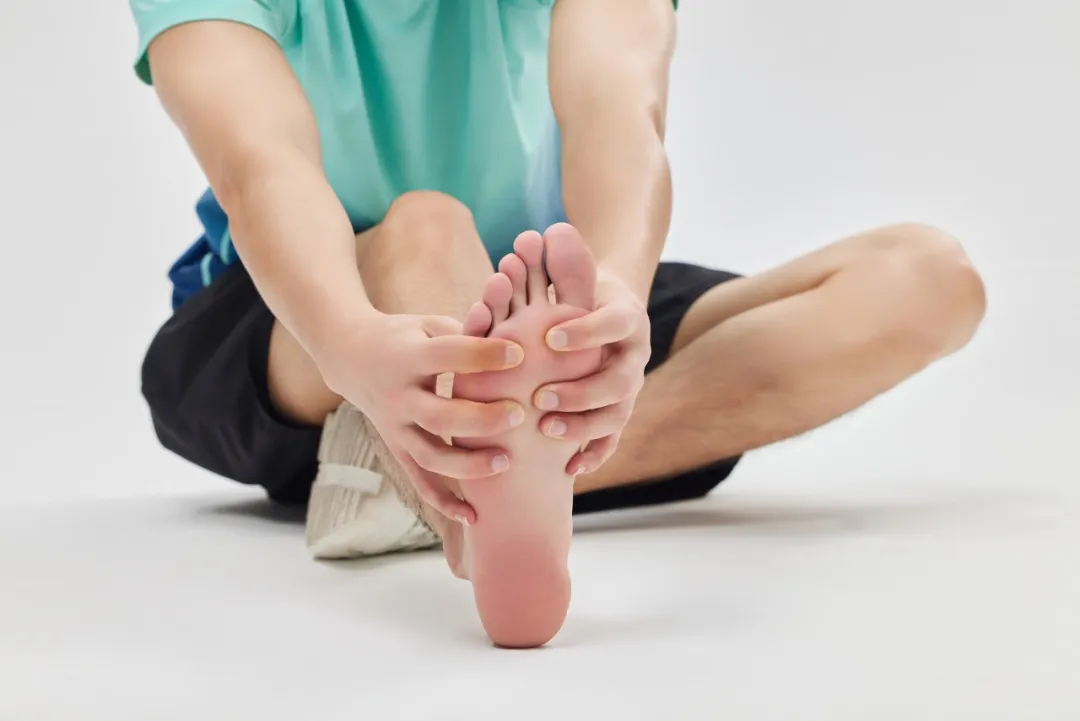
Statistics show that more than 10 million people seek medical care for ankle sprains worldwide each year. Inadequate first-aid treatment is one of the leading reasons why so many people develop chronic ankle instability — a condition where the ankle feels weak and "gives way" repeatedly.
The Golden 72 Hours: RICE First Aid
The first 72 hours after an ankle sprain are critical. Proper immediate management can significantly reduce swelling, protect healing tissue, and lower the risk of long-term complications. The classic RICE protocol remains the cornerstone of acute care:
Rest — Stop Activity Immediately
Do not try to "walk it off." Even limping can worsen ligament tearing. Sit or lie down and let the ankle rest completely.
Ice — Cool the Injury
Within the first 48 hours, apply an ice pack or a bag of frozen vegetables wrapped in a towel for 15 minutes every 1–2 hours. Cold constricts blood vessels and helps "pause" swelling.
Compression — Support the Joint
Wrap the ankle with an elastic bandage from the toes toward the lower leg in a spiral pattern. The skin should look slightly pink — not pale, blue, or numb.
Elevation — Raise the Limb
When resting, prop the ankle up on pillows so it is above heart level. This promotes venous return and speeds up swelling reduction.

Important Warning
If the ankle or foot shows visible deformity, go to the emergency department or an orthopedic clinic immediately to rule out fracture or dislocation. If there is no obvious deformity, follow RICE strictly. After 3 days, if pain and swelling have clearly improved, you can begin protected weight-bearing with an ankle brace. If tenderness or swelling remains significant, seek orthopedic evaluation.
Rehabilitation Phase: Rebuild the Joint's "Defense Line"
Once the acute swelling subsides, the next phase is just as important — and often skipped. Without structured rehabilitation, the surrounding muscles become weak, proprioception declines, and the ankle becomes prone to re-injury. Follow this three-step progression:
Restore Circulation
After 48 hours, begin warm compresses and therapeutic ultrasound to promote blood flow, reduce stiffness, and accelerate tissue healing.
Regain Mobility
Under guidance from a rehabilitation therapist, perform ankle circles, towel stretches, and resistance-band exercises to restore flexibility and range of motion.
Rebuild Stability
Progress to single-leg standing, heel raises, and balance drills. These strengthen the muscles that act as the ankle's natural "guardians" and restore proprioception.
Prevention Is Better Than Treatment: Three Lines of Defense
For athletes and active individuals, preventing recurrent ankle sprains is far more effective than treating them. Beijing Edencare Hospital's orthopedic and sports medicine team recommends three practical habits:
Dynamic Warm-Up
Warm up for at least 15 minutes before sports. Activate the ankle and lower leg muscles with calf raises, ankle circles, and light jogging.
Supportive Footwear
Choose shoes with good arch support and lateral stability. Avoid worn-out soles, and consider ankle braces or tape for high-risk sports.
Balance Training
Practice balance exercises 3 times per week. Try single-leg standing, first with eyes open and later with eyes closed, to retrain proprioception and joint control.
Don't let a small "twisted ankle" become a chronic "unstable ankle." Treat every sprain seriously, follow the rehabilitation steps, and build the right habits. With the right approach, your feet can stay strong and confident for every step.
Ankle Pain or Recurrent Sprains?
Beijing Edencare Hospital's orthopedic and sports medicine team provides acute injury assessment, imaging, bracing, rehabilitation planning, and surgical consultation when needed. Our international patient team can coordinate your visit in English or other languages.