Have you ever experienced this frustrating moment? You starve yourself until dizzy, exercise until your muscles ache, and finally manage to lose 5 or 10 jin (2.5–5 kg) — only to see the scale shoot right back up the moment you relax. Even worse, sometimes you end up heavier than before.
Don't blame your willpower. This is not your fault. It is your body's physiological feedback mechanism fighting tooth and nail against weight loss.
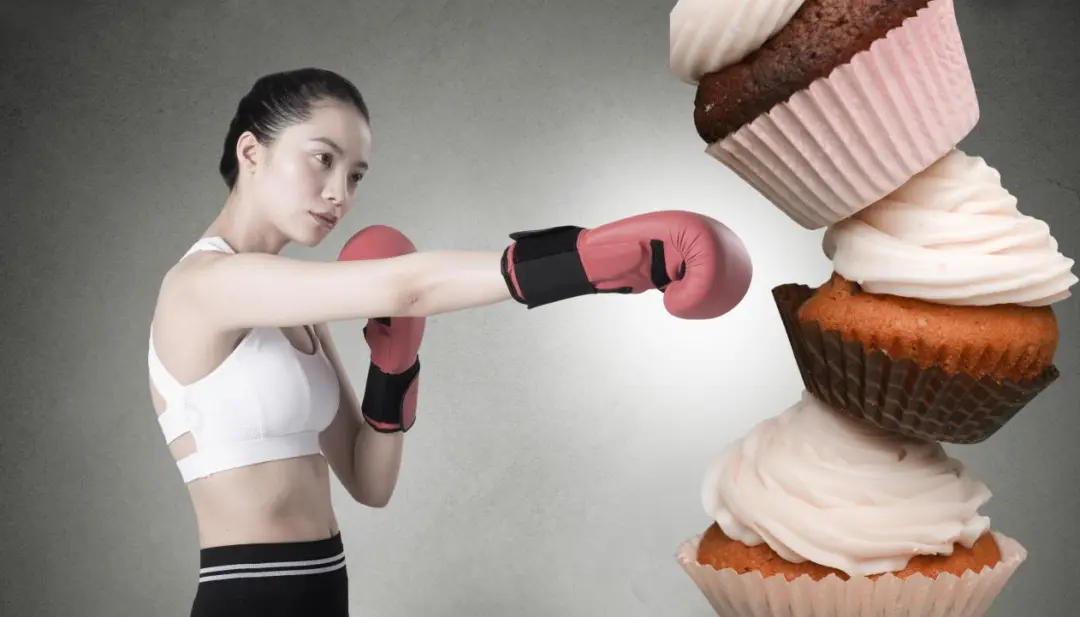
Why Do You Gain Weight More Easily When You're Hungry?
Deep inside your hypothalamus lies a "body weight setpoint" — a self-protection mechanism left over from human evolution to prevent us from starving during famines. When you drastically cut calories through extreme dieting, your body panics, thinking a famine has arrived, and activates a full-scale defense:
"Studies have found that after weight loss, levels of the appetite-stimulating hormone ghrelin rise significantly in the body, while levels of the satiety hormone leptin decrease. This hormonal imbalance can persist for over a year." [1]
Put simply: the hungrier you are, the more your body wants you to eat. The more you restrain yourself, the more your body wants to store fat. This is why so many people who try extreme dieting end up binge eating — or hit a weight plateau, then rebound as soon as they relax.
The Key Factor That Determines Whether Fat is "Stored" or "Burned"
Many people approach weight loss by counting calories, but they don't realize: the core of weight management is the "art of hormonal balance." And insulin is the "master switch" that controls fat metabolism.
Insulin is the body's primary anabolic hormone. Its level directly determines whether fat is stored or burned:
"Long-term consumption of high glycemic index (GI) foods causes frequent insulin spikes, which in turn suppress the oxidation and breakdown of fat." [2]
Foods like white rice, white bread, milk tea, and sweets cause blood sugar to spike rapidly, triggering insulin surges. Excess calories are directly converted into fat, which accumulates around your waist, abdomen, and limbs.
Conversely, through scientific nutritional management that maintains stable blood sugar levels, you can keep insulin steady and flip the "switch" to burn fat. This is the core reason we always emphasize "scientific weight loss, not blind dieting."
Can You Burn Calories While Eating?
You might not know this, but eating itself consumes energy — this is called the "Thermal Effect of Food" (TEF), essentially a built-in energy cost your body pays to digest food.
The "digestive cost" varies dramatically across different nutrients:
"The thermic effect of carbohydrates is about 5–10%, fat about 3%, while the thermic effect of protein is as high as 20–30%." [3]
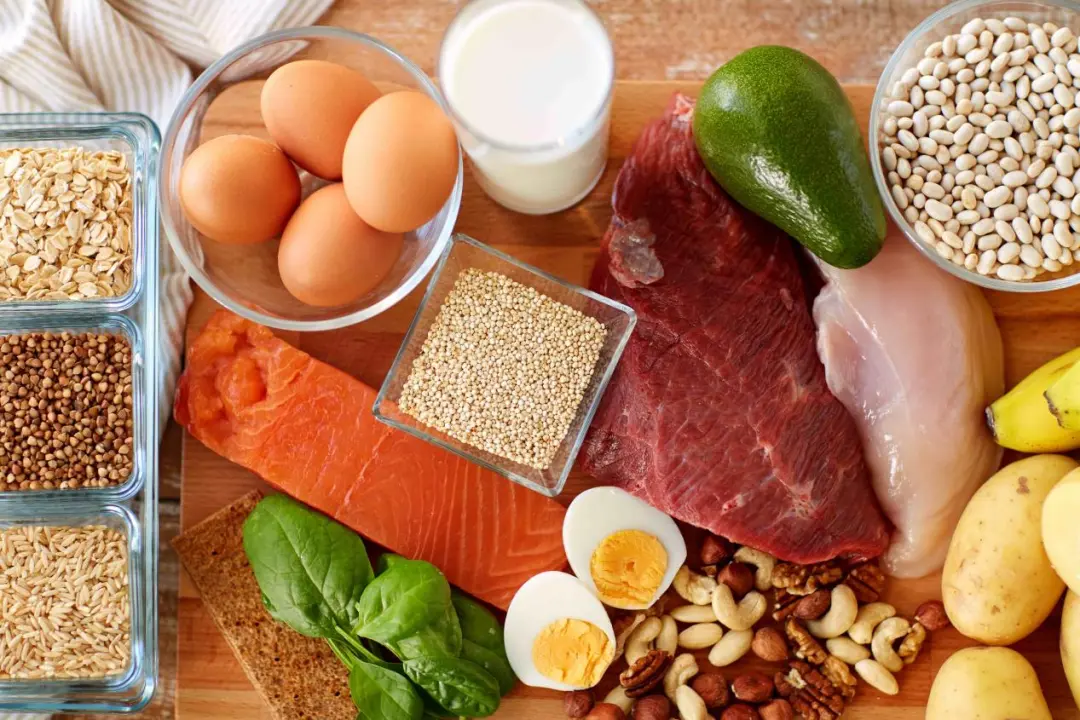
For example: if you eat 100 kcal of protein (such as eggs or lean meat), your body burns 20–30 kcal just to digest and absorb it. But if you eat 100 kcal of rice, only 5–10 kcal are burned in the process.
Even more importantly, protein increases satiety quickly, so you don't feel hungry even when eating smaller portions — reducing excess calorie intake at the source. This is the underlying logic behind why "eating the right foods matters more than eating less."
The Root of an "Easy-to-Gain-Weight" Constitution: Gut Microecology
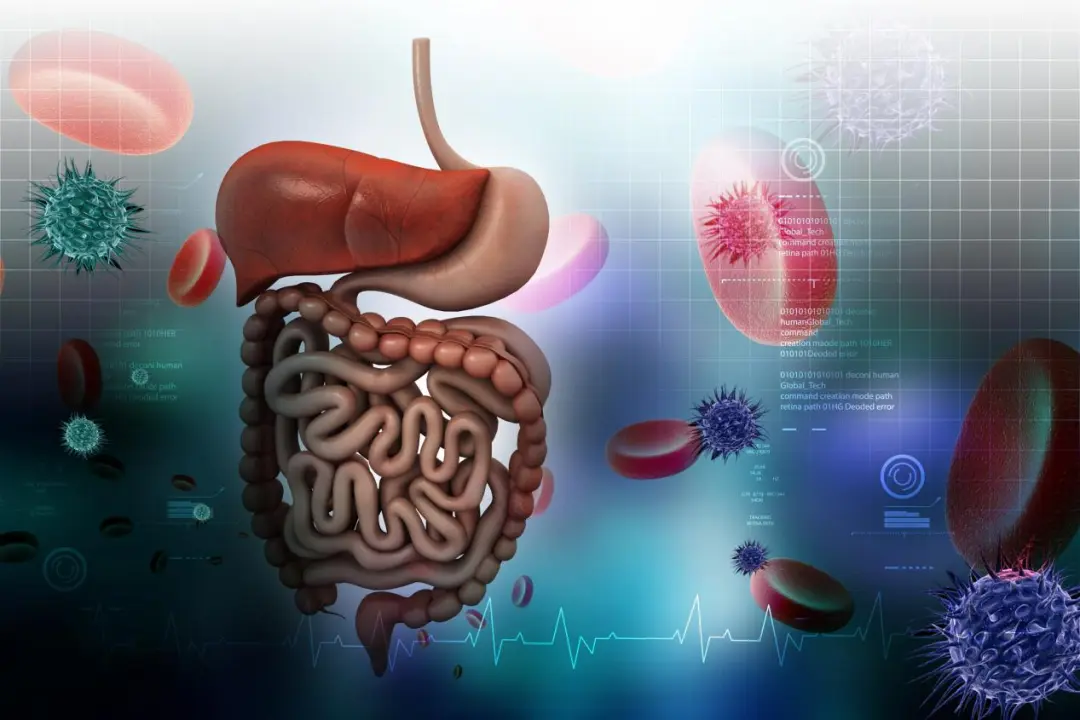
Why do some people "gain weight just by drinking cold water," while others "never gain weight no matter what they eat"? Modern medical research offers an answer: gut microbiota diversity is the physiological foundation of an easy-to-gain-weight constitution.
"Specific gut microbiota communities influence the host's fat accumulation by regulating energy extraction efficiency and inflammatory responses." [4]
Simply put: the more "good bacteria" in your gut, the higher your body's efficiency at metabolizing fat. Conversely, an overgrowth of "bad bacteria" makes your body absorb more calories from food, store more fat, and may trigger inflammation that slows down your metabolism.
Long-term balanced dietary fiber intake — such as eating more vegetables, whole grains, and legumes — is an effective way to improve your gut micro-environment and optimize metabolism, allowing you to gradually adjust your constitution without extreme dieting.
The "Hidden Killers" of Weight Regain
Many people focus only on "eating" when trying to lose weight, but overlook sleep and stress — two hidden factors that are often the "chief culprits" behind weight regain, and a key reason many weight loss attempts fail.
Insufficient Sleep
Chronic sleep deprivation or poor sleep quality leads to elevated cortisol levels, a hormone that directly promotes abdominal fat accumulation. It also disrupts the balance of ghrelin and leptin, making you feel hungrier and crave high-calorie foods the next day.
Excessive Stress
Being in a prolonged state of anxiety or tension also elevates cortisol, which not only causes fat to accumulate around the waist and abdomen (forming a "spare tire"), but also lowers metabolic efficiency, making weight loss even harder.

A Zero-Dieting, Non-Rebound Action Plan
Combining the physiological principles above, we have put together 4 simple, practical action steps. No starvation, no intense workouts — anyone can stick to them and effectively avoid rebound:
Optimize Eating Order
Every time you eat, follow this order: vegetables → protein → carbohydrates. This helps stabilize blood sugar and reduces insulin spikes.
Increase Protein Proportion
Ensure adequate high-quality protein intake daily. Leverage protein's high thermic effect to increase your body's energy expenditure while reducing hunger sensations.
Avoid Extremely Low-Calorie Diets
Avoid triggering your body's "metabolic compensation" mechanism. Once your metabolism drops, subsequent weight loss becomes harder and rebound comes faster.
Prioritize Sleep and Stress Relief
Get 7–8 hours of sleep daily and avoid staying up late whenever possible. When stressed, relax through walks, meditation, or listening to music.
If you have tried many weight loss methods but can't seem to break out of the "lose weight → rebound" cycle; if you don't know where your "weight setpoint" is or how to plan your diet more scientifically — consider seeking professional medical guidance for a tailored plan that helps you take fewer detours and achieve long-term, healthy weight loss more efficiently and safely.
May every one of you working hard on weight loss understand your body's code, break free from rebound troubles, and embrace a healthy, light, and confident version of yourself.
References
- Sumithran, P. et al. Long-term persistence of hormonal adaptations to weight loss. New England Journal of Medicine (Chinese Edition), 2011, 365(17): 1597–1604.
- Chinese Nutrition Society. Chinese Dietary Guidelines (2022). Beijing: People's Medical Publishing House, 2022.
- Westerterp, K. R. Diet induced thermogenesis. Nutrition & Metabolism (Chinese Translation), 2024, 1(1): 5.
- National Health Commission. Adult Obesity Dietary Care Guidelines (2024 Edition). EB/OL. (2024-02-08).