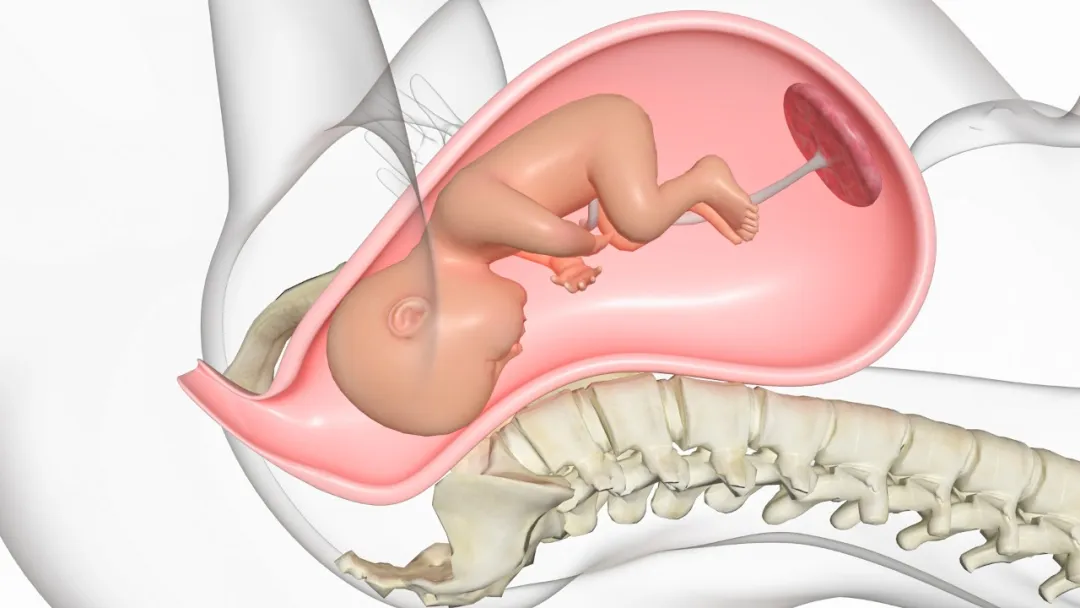
BEIJING — "Take a deep breath and push! Push harder!" In film and television, childbirth is almost always shown as a mother gripping the bedsheets, drenched in sweat, battling searing pain. It's no surprise that many expectant mothers quietly assume vaginal birth is something you simply endure through willpower.
In fact, modern perinatal medicine never advocates pointless physical endurance. Natural birth is a finely coordinated process between mother and baby — and one of the key factors in how smoothly labor progresses is a set of late-pregnancy assessments that are easily overlooked: a systematic evaluation covering the fit between the fetal head and pelvis, the capacity of the bony birth canal, the extensibility of the soft tissues, and pelvic floor muscle function.
These assessments are not a formality. They are a scientific early-warning system that helps turn passive endurance into informed, active preparation.
Three Common Misconceptions About Vaginal Birth

Misconception 1: "Wider hips mean a wider pelvis, so delivery will be easy." What the eye sees — fullness at the hips — is largely determined by subcutaneous fat and the outer contour of the pelvis. Whether the baby can pass through smoothly, however, depends on the internal bony canal (the mid-pelvis and outlet). If the mid-pelvis is narrow internally or the tailbone protrudes prominently, the fetal head can stall during labor regardless of how broad the frame looks from the outside.
Misconception 2: "With an epidural, I can just lie back and wait." Neuraxial labor analgesia is a mature technique that effectively blocks pain signaling, helping mothers conserve energy and ease anxiety. But analgesia addresses only the perception of pain — it does not change the physical space of the birth canal. If the fetal head is in an unfavorable position (facing the mother's back or side), or the soft tissues of the canal are unusually tight, medication alone will not reposition the baby; targeted positioning and guidance from the medical team are still needed.
Misconception 3: "Pushing with all my strength will speed things up." Effective expulsive effort is a rhythmic coordination of uterine contractions, abdominal pressure, and the diaphragm. Bearing down continuously before the cervix is fully dilated, or out of sync with contractions, rapidly drains stamina, can congest and swell cervical tissue, and may even strain the deep pelvic floor muscles and fascia.
National obstetric care guidelines note that the core causes of prolonged or arrested labor are cephalopelvic disproportion, abnormal fetal position, and abnormal resistance of the soft birth canal — not simply a lack of maternal strength. Vaginal birth was never meant to be a blind contest of strength; precise antenatal assessment is what turns reactive handling into proactive prevention.
Four Core Assessments Behind a Smoother Delivery
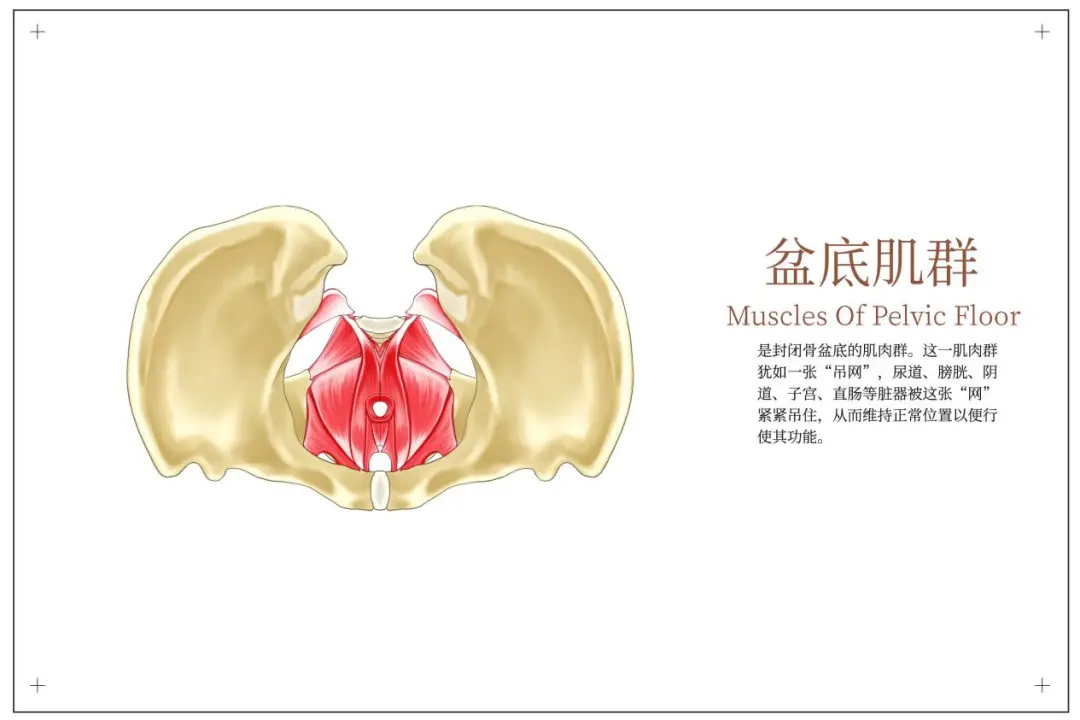
In structured antenatal care, a professional team focuses on four dimensions in late pregnancy:
- Pelvic internal diameter measurement — estimating the actual passage space at each plane of the true pelvis to screen early for internal bony narrowing.
- Dynamic head–pelvis matching — combining the fetal biparietal diameter and estimated weight to track how the fetal head engages, flexes, and rotates as labor begins.
- Pelvic floor muscle tone screening — assessing the elasticity of the pelvic floor muscle group (the muscles that close and support the base of the pelvis) to identify abnormally high tone and anticipate second-stage labor blockage or soft-tissue tearing risk.
- Pre-delivery analgesia screening — evaluating lumbar puncture conditions and coagulation indicators in advance so individualized labor analgesia can be delivered promptly and safely when early labor begins.
These parameters directly shape the strategies used in the delivery room:
- Restricted mid-pelvis — midwives guide side-lying or hands-and-knees positions, using subtle pelvic movement to open the outlet.
- Poor rotation of the fetal head — the care team uses a birthing ball and gravity-assisted positions to encourage flexion and internal rotation of the head.
- High pelvic floor muscle tone — the team guides breathing rhythm and moderate abdominal pressure; appropriate perineal massage can help relax an over-tensed pelvic floor.
- Energy draining too quickly — energy supplementation and planned rest preserve stamina for the pushing stage.

Research from the Chinese obstetrics community indicates that standardized use of free-position management and dynamic pelvic adjustment techniques during labor can effectively correct abnormal fetal head positions and significantly reduce the risk of difficult labor or unplanned cesarean conversion.
Bringing a child into the world is the start of a whole new journey. It should not be marked by enduring pain to the limit. With scientific assessment done in advance and a clear plan in hand, every mother deserves to walk into the delivery room prepared — and to be treated with care.
A Note on Medical Information
This article is for general health information only and is not a medical promotion. It does not constitute medical advice, diagnosis, or treatment recommendations. Every pregnancy is different; delivery mode and labor management should be determined jointly with a qualified obstetric team based on individual evaluation.
Planning Maternity Care in Beijing?
Beijing Edencare Hospital's obstetrics team provides comprehensive prenatal assessment, delivery, and postpartum care for international patients. Our team supports bookings, interpretation, and visit logistics in English and other languages.