
BEIJING — "The keys were just in my hand, and now they're nowhere to be found." "A familiar name is on the tip of my tongue, but I can't say it." Many people treat forgetfulness in later life as a normal part of getting older. Yet forgetfulness that keeps getting worse may be an early signal from the nervous system that deserves professional attention — not dismissal.
Normal Forgetfulness vs. Pathological Forgetfulness
In daily life, early symptoms of Alzheimer's disease are often blamed on "just getting old." In fact, normal age-related decline and the cognitive impairment caused by Alzheimer's disease are fundamentally different:
Normal, age-related forgetfulness — memory lapses occur occasionally, come back when prompted, and do not affect the ability to manage daily life independently.
Pathological forgetfulness (early Alzheimer's disease) — forgetting happens frequently and progresses over time, especially for recent events (no memory of something that just happened or a conversation that just took place). It does not come back even with prompting, and may be accompanied by declining calculation ability, spatial orientation, or expression.
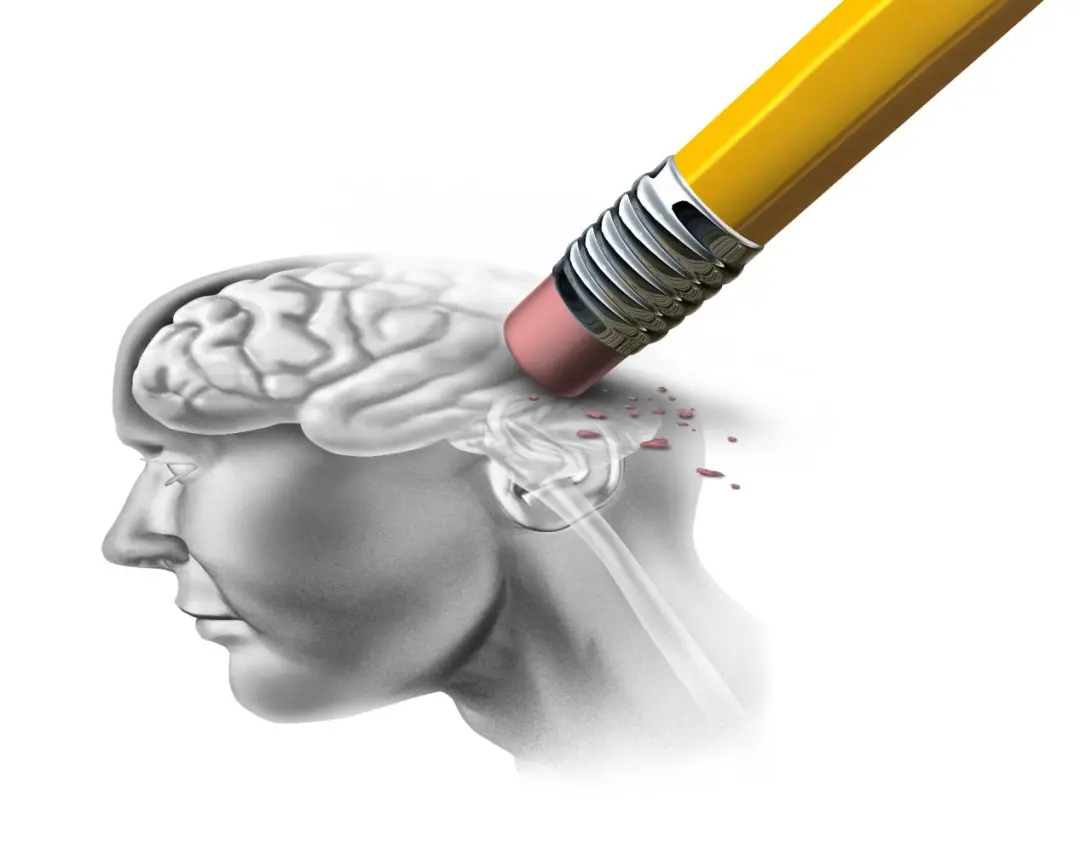
Warning Signs the Brain May Send
Alzheimer's disease is a neurodegenerative condition with a hidden onset and gradual progression. Recognizing and addressing it one step earlier plays a key role in slowing its course and protecting memory. When an older family member shows any of the following changes, a timely professional evaluation is recommended:
- Declining memory — asking the same question repeatedly, forgetting arrangements made just moments ago.
- Difficulty completing familiar tasks — once-routine skills and household activities, such as following familiar steps in cooking or handling routine bill payments, become hard to finish independently.
- Disorientation in time and place — getting lost near a familiar neighborhood, or losing track of the current year, season, or month.
- Language and communication difficulties — frequent pauses mid-sentence, trouble finding the right words, or substituting incorrect words.
- Changes in personality and behavior — unexplained mood swings, suspiciousness, anxiety, apathy, or social withdrawal.
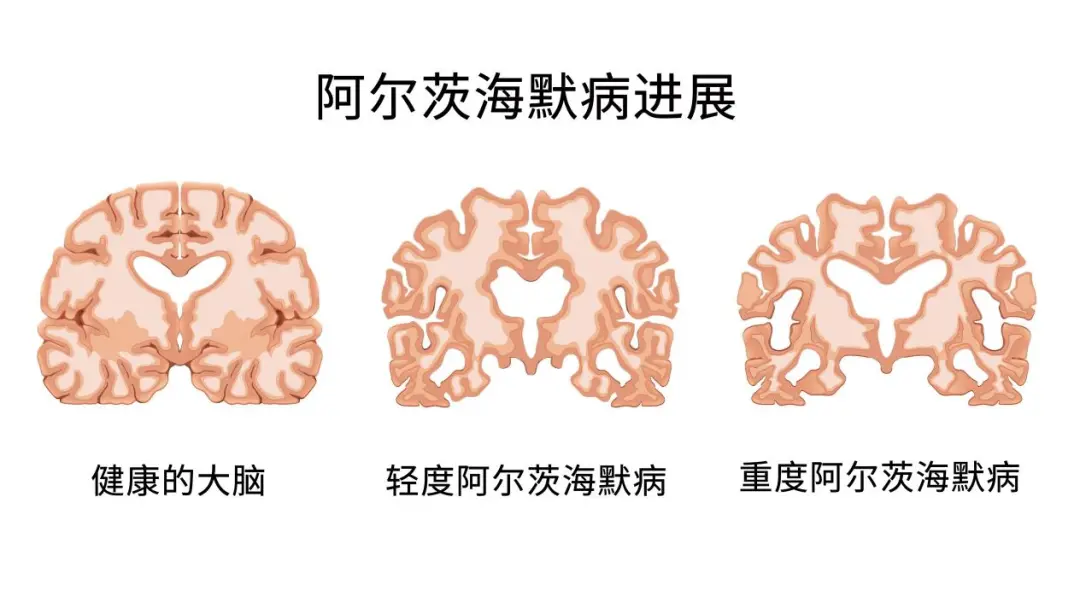
How a Scientific Evaluation Works
Prevention and management of Alzheimer's disease put the emphasis on moving the starting line earlier. The neurology department of a qualified medical institution typically uses a multidimensional assessment system:
Neuropsychological scale assessment — physicians use validated cognitive assessment scales (such as the MMSE and MoCA) to quantitatively test memory, attention, language, and spatial perception.
Imaging and laboratory tests — cranial MRI is used to assess structural brain changes (such as hippocampal atrophy) and to rule out other conditions that can cause cognitive impairment.
Individualized intervention plan — based on the assessment results, physicians develop a comprehensive management strategy that may include medication, cognitive rehabilitation training, and lifestyle interventions.

World Alzheimer's Day is marked each year on September 21 under the theme "Recognize one step earlier, preserve more memory." Memory decline should not simply be attributed to the passage of time. The earlier Alzheimer's disease is noticed and assessed, the more high-quality time families can share together.
A Note on Medical Information
This article is for general health information only and is not a medical promotion. It does not constitute medical advice, diagnosis, or treatment recommendations. Specific health conditions and intervention plans should be determined by a licensed physician after individual evaluation.
Seeking a Cognitive Assessment in Beijing?
Beijing Edencare Hospital's neurology team provides multidimensional cognitive assessments for international patients. Our team supports bookings, interpretation, and visit logistics in English and other languages.