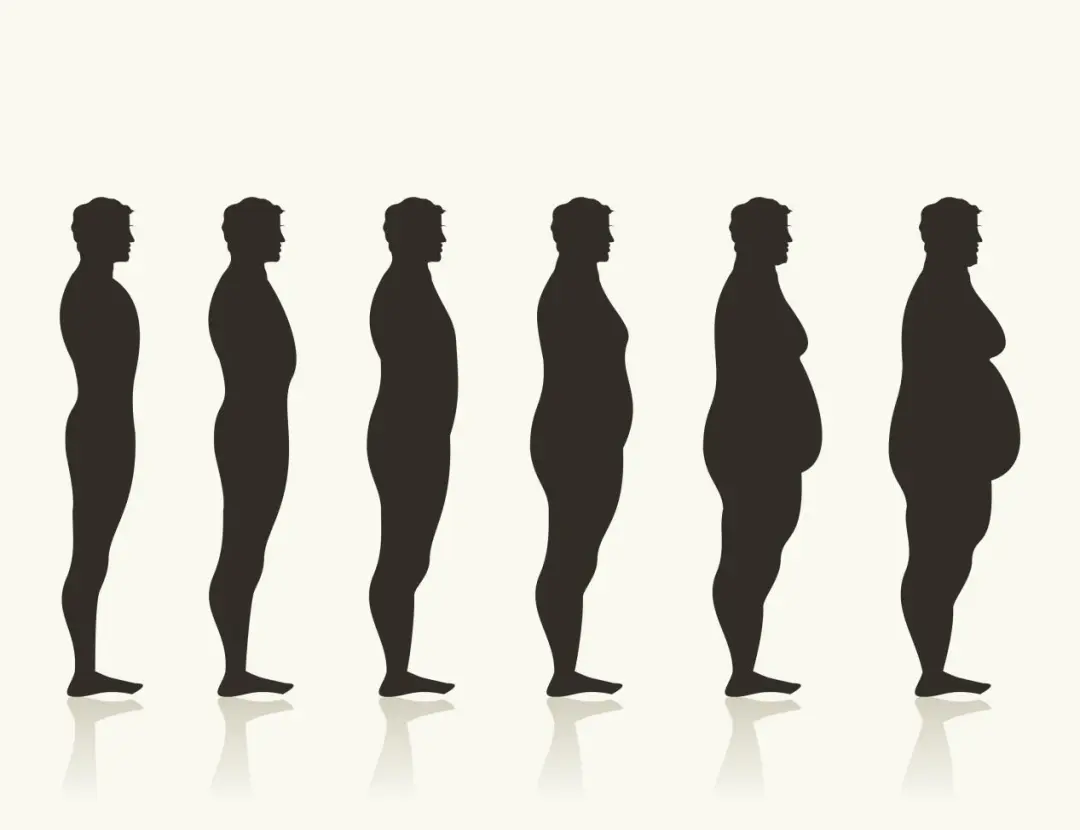
Many people check the scale every morning, celebrating a drop of a few pounds or worrying about a small gain. But in endocrinology clinics, the number on the scale is only one piece of information. What matters more is what the body is actually losing — water, muscle, or the excess fat that drives metabolic disease.
When the Scale Hides the Real Problem
A young patient in his twenties recently visited the endocrinology department at Beijing Edencare Hospital. He was living with obesity and presented with excessive thirst, frequent urination, and fatigue. Laboratory testing confirmed poorly controlled diabetes with features of diabetic ketoacidosis, markedly elevated blood lipids, high uric acid, abnormal liver enzymes, high blood pressure, and severe sleep apnea.
His first question was what many patients ask: "Do I need to lose a lot of weight quickly?"
The care team explained that rapid weight loss alone was not the goal. The priority was to reduce the "harmful fat" stored around the abdomen and organs, correct the metabolic crisis, and protect the liver — then support gradual, sustainable change.
A Three-Phase Metabolic Reset
Under the supervision of the endocrinology team, the patient followed a structured, phased plan:
Phase 1: Stabilize metabolism and protect the liver
During the first phase, the focus was on hydration, short-term insulin therapy to reverse ketosis, and liver-protective care. Within days, ketone levels returned to normal and liver tests began to improve.
Phase 2: Steady glucose control and lifestyle change
Once the acute metabolic disturbance was under control, the team introduced regular aerobic activity and nutrition guidance. Non-insulin glucose-lowering therapy was gradually introduced, and insulin was eventually discontinued while glucose targets remained stable.
Phase 3: Maintain fat loss and protect long-term health
The patient continued structured exercise and dietary adjustment. Over the following months, body fat percentage fell substantially and visceral fat area decreased. As body composition improved, blood pressure normalized, blood pressure medication was stopped, liver enzymes stabilized, and nighttime breathing support was no longer needed.

Weight Dropped Slowly — But Health Improved Faster
Although the change on the bathroom scale was more modest than the patient had expected, his body composition changed dramatically:
- Body fat percentage fell from 37.4% to 23.1%
- Visceral fat area shrank by roughly half
- HbA1c returned to the normal range
- Fatty liver improved and liver enzymes normalized
- Blood pressure and uric acid stabilized
This case illustrates a key message: the health benefit comes from losing the right kind of tissue, not simply from chasing a lower number on the scale.

A Long-Term View of Metabolic Health
Health management is not a short-term race for the lowest possible weight. It is a sustained process of rebuilding metabolic balance. For people who are overweight and also have abnormal blood sugar, lipids, or uric acid, the first step is often a comprehensive metabolic assessment with an endocrinology or weight-management specialist.
At Beijing Edencare Hospital, the endocrinology and health-management teams work together to evaluate body composition, glucose and lipid metabolism, liver health, sleep, and cardiovascular risk — then build a personalized, step-by-step plan.
This article describes a real clinical case in general terms for health-education purposes. The patient has been anonymized, and identifying details have been removed. Results depend on individual circumstances and should not be taken as a guarantee of outcome. Weight management and metabolic disease require personalized medical assessment. If you have concerns about obesity, diabetes, or metabolic syndrome, please consult a qualified physician.