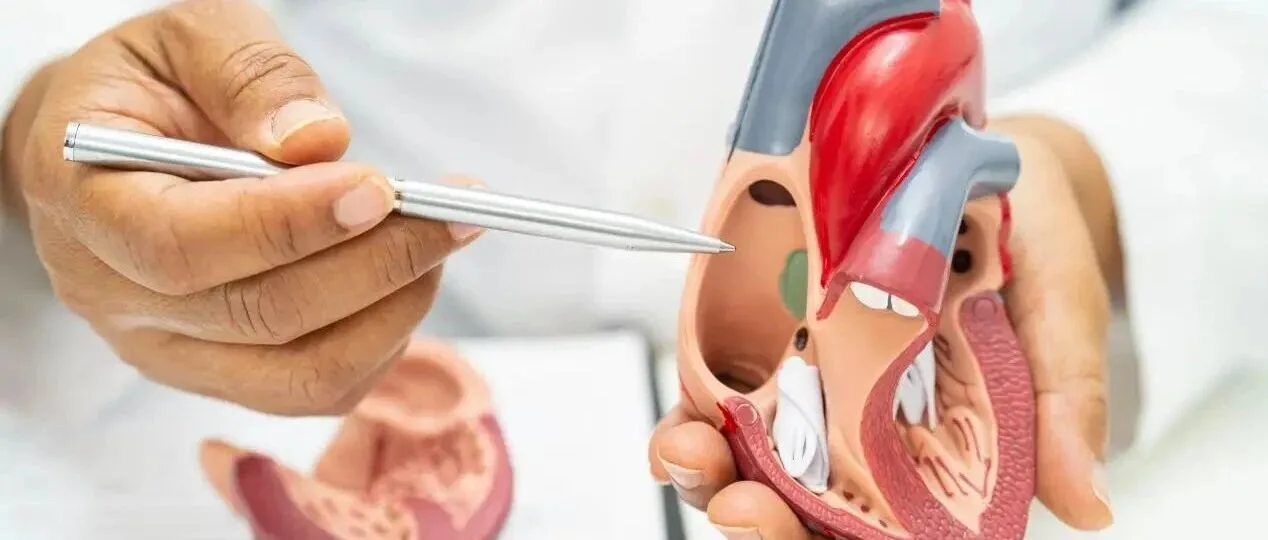
A blockage in the brain raises an obvious question: why do doctors so often recommend checking the heart? The reason is that some clots do not form inside the brain's own vessels — they start in the heart and travel. Because the heart and brain share one circulatory system, a clot formed in the heart can break loose, ride the bloodstream, and lodge in a brain artery, cutting off blood flow.
Checking the heart is, in many cases, checking where the clot came from. Understanding this link helps explain why a cardiac work-up is part of evaluating and preventing cerebrovascular events.
How Can a Clot From the Heart Reach the Brain?
Two routes are most commonly discussed in clinical practice.
01 Atrial Fibrillation
In a normally beating heart, the muscle contracts in a regular rhythm. During atrial fibrillation, the upper chambers quiver instead of squeezing effectively. Blood then flows more slowly and can pool in the atrium, making it easier for a clot to form along the heart wall. If that clot breaks loose, it can be pumped straight into a brain artery and cause a sudden blockage.
02 Patent Foramen Ovale (PFO)
Before birth, a small passage connects the left and right upper chambers of the heart. It normally closes after delivery. In some people it stays partly open — a condition called a patent foramen ovale. Small clots that form in the leg veins are usually filtered out by the lungs; but if they slip through an open passage and bypass the lungs, they can reach the brain. This is one of the hidden reasons some younger people with no obvious risk factors develop a stroke.
What Cardiac Tests Might Be Ordered?
The tests a doctor orders are not random — each one looks at a different possible source of a clot.
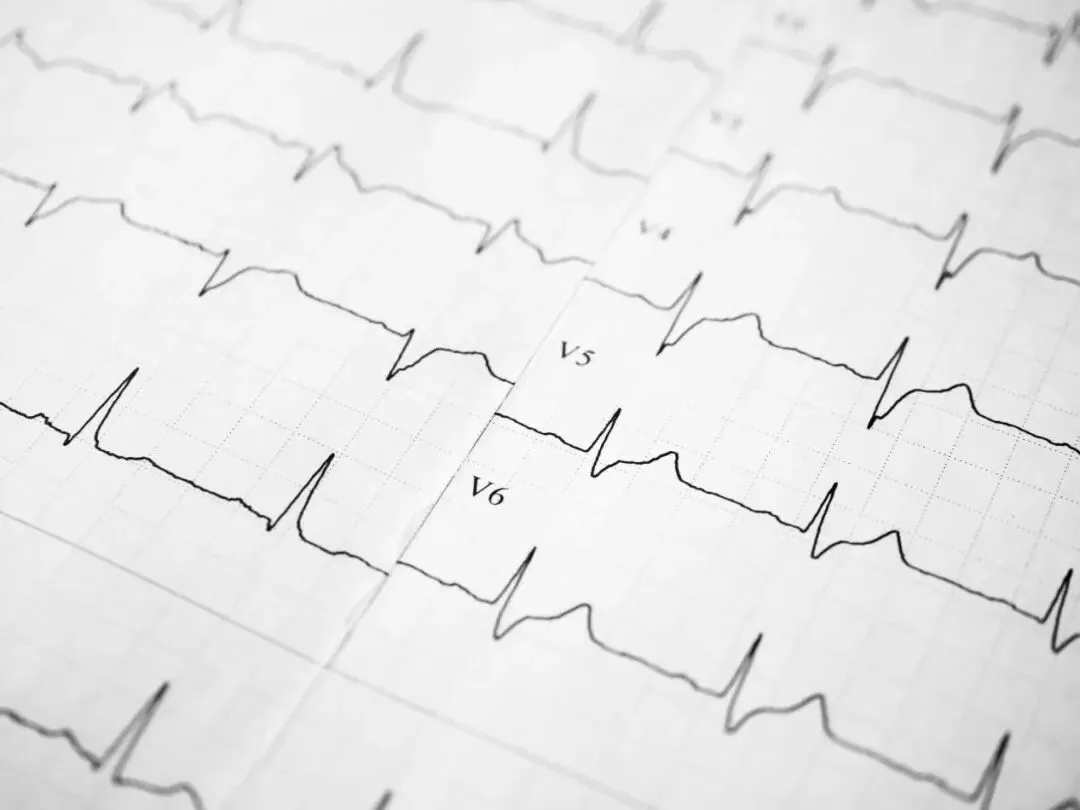
Resting Electrocardiogram (ECG)
A resting ECG records the heart's rhythm at the moment of the test. It is useful for detecting persistent atrial fibrillation or other rhythm disturbances that are present at the time.
24-Hour Holter Monitoring
With a portable monitor worn for a full day, the heart's rhythm is recorded around the clock. Because some atrial fibrillation comes and goes, a single resting ECG may miss it; continuous monitoring lowers the chance of overlooking these intermittent episodes.
Echocardiogram (Cardiac Ultrasound)
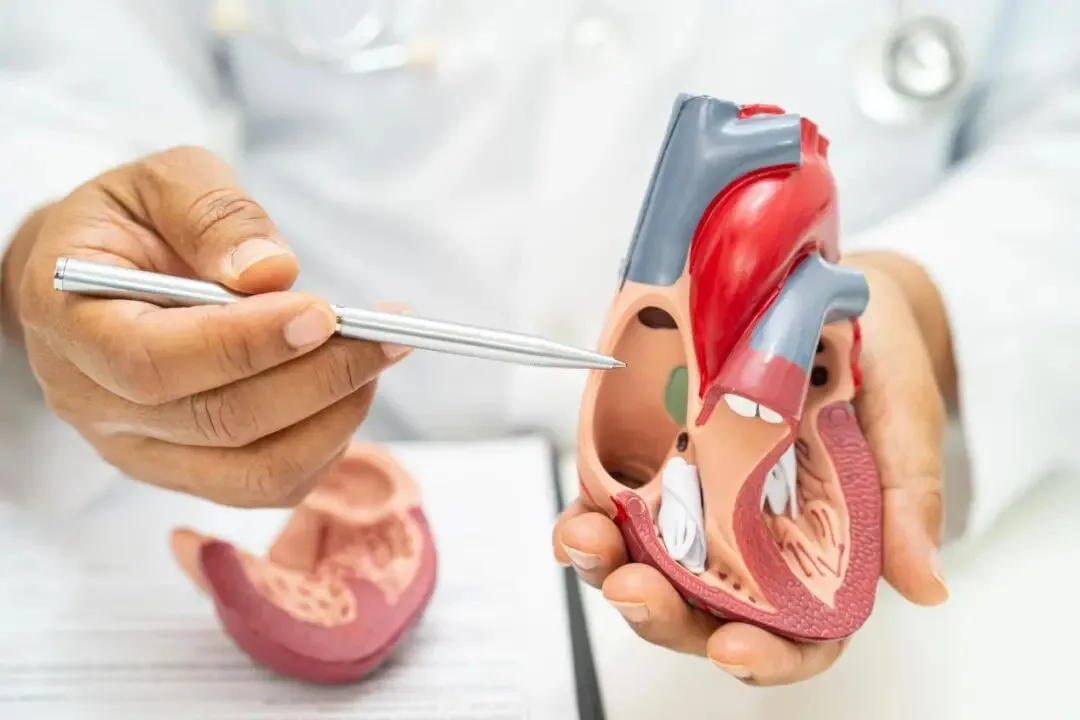
An echocardiogram looks at the heart's structure — whether the chambers are enlarged, whether a clot is attached to the heart wall, whether the valves are affected, and how the wall between the chambers appears. It helps map the heart's anatomy and spot structural sources of clots.
Bubble Study (Contrast Echocardiography / Transcranial Doppler)
A small amount of saline with tiny air bubbles is introduced, and clinicians watch whether those bubbles travel through an abnormal heart passage into the brain's circulation. This is the targeted method for checking a patent foramen ovale. It is a routine, low-risk procedure.
Not everyone who has had a stroke needs every test listed above. Which ones are appropriate is decided by a doctor based on the individual situation.
Recognizing a Stroke: Remember the Warning Signs
The key to acute stroke care is fast recognition. A simple phrase captures the main signs: face droop, arm weakness, slurred speech — if you see even one, call emergency services.
Face droop
Ask the person to smile or show their teeth. Check whether one corner of the mouth pulls to one side.
Arm weakness
Ask the person to raise both arms for ten seconds. Watch whether one arm drifts down or feels heavy.
Slurred speech
Listen for slurred words, trouble finding words, or difficulty understanding what is said.
If any of these appear, call emergency services immediately and clearly state the location, the symptoms, and the exact time the symptoms began. Even if the symptoms fade after a few minutes, it may be a transient event that still requires urgent evaluation — do not treat it as "better on its own."
What to Do While Waiting for Help
Three points matter before professional care arrives:
Lay the person down, turn the head to one side, and loosen the collar — this helps keep the airway clear if vomiting occurs.
Bring the facts. Have the person's usual medications, medical records, and identification ready for the medical team.
Do not improvise. Do not give food, water, or medication by mouth. Do not pinch the philtrum or prick fingers to bleed. Do not simply wait at home hoping it passes.
Under national clinical guidelines, an acute ischemic stroke within 4.5 hours of onset may be considered for intravenous clot-busting therapy once contraindications are ruled out. For large-vessel blockages, the window for mechanical clot removal can extend beyond 4.5 hours — some patients may still be evaluated between 6 and 24 hours by a specialist team. Time is brain: brain tissue dies at a striking rate once a large vessel is blocked, so early diagnosis and early treatment matter equally.
Prevention Starts With the Heart
The most effective strategy is to address risk at the source. Keep blood pressure, blood sugar, and blood lipids under control, quit smoking and limit alcohol, and follow a lower-salt diet. If atrial fibrillation has been confirmed, a cardiology or neurology specialist should assess the case and plan management — whether any specific intervention is needed, and which option fits, is decided by the specialist based on the individual.
A Note on Medical Information
This article is general health education only. It does not recommend any specific medication or treatment plan, and it is not a substitute for a professional diagnosis or treatment decision. Any decision about evaluation or care should be made by a qualified medical team after individual assessment.
Worried About Stroke Risk or Heart–Brain Health?
Beijing Edencare Hospital's health checkup and internal-medicine teams provide organized cardiovascular and cerebrovascular risk assessment, imaging review, and clear next-step guidance for international patients. Our team supports bookings, interpretation, and visit logistics in English and other languages.