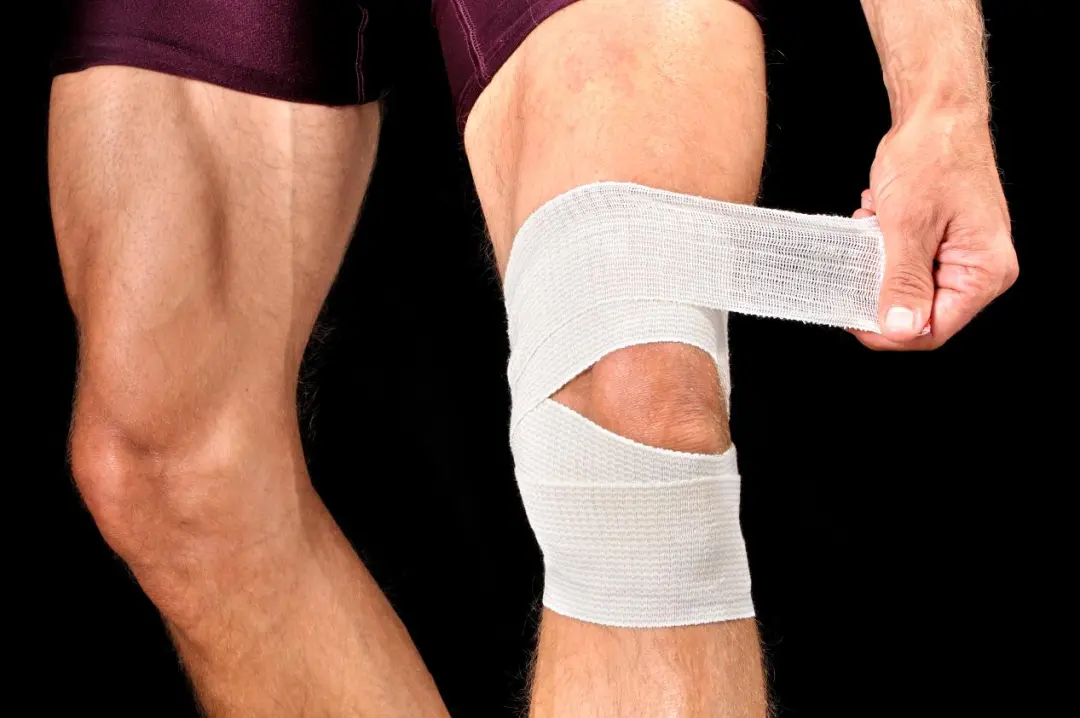
Have you ever stood up from your desk after a long meeting and felt your knee catch, ache, or resist for a few steps? Or noticed that climbing stairs feels fine one day and sore the next, while walking on flat ground is usually comfortable? These patterns are not random. The situations in which knee pain appears can offer clues about what is happening inside the joint.
Pain When Going Up or Down Stairs, or When Squatting
What the joint is saying: the cartilage behind the kneecap may be under extra pressure.
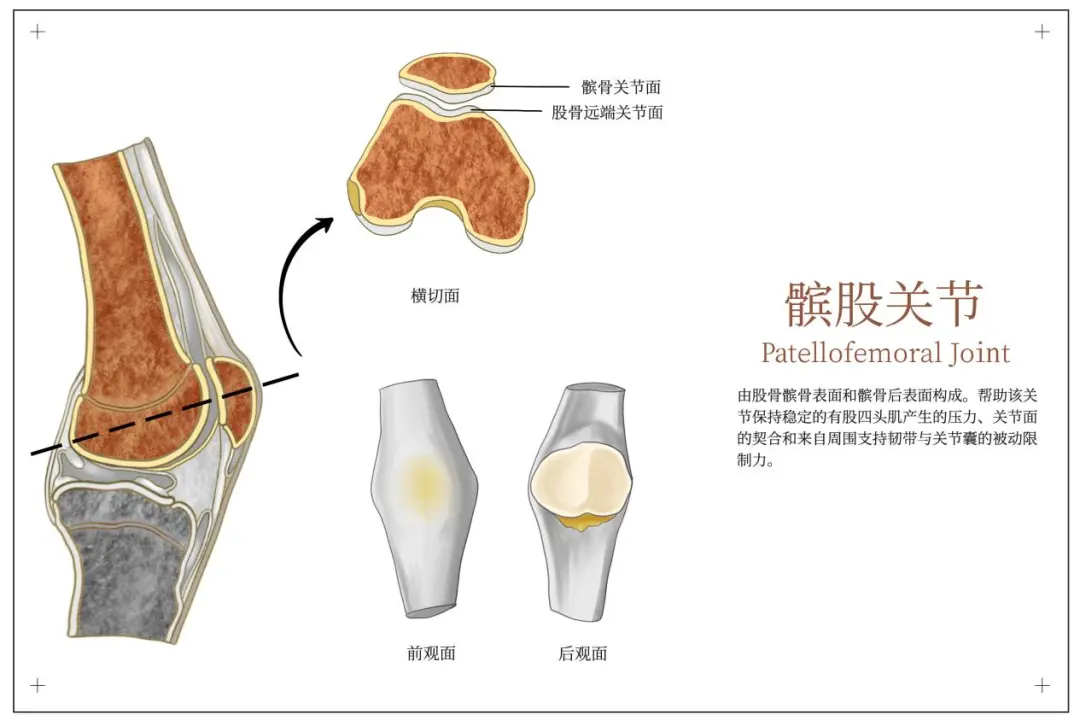
The kneecap glides over the thigh bone every time you bend or straighten your knee. On flat ground, the pressure is fairly low — roughly half to one times your body weight. Going up or down stairs, or squatting, can raise that pressure to several times body weight. If the cartilage behind the kneecap is irritated or beginning to soften, this extra load can produce a dull ache, a catching sensation, or a feeling that the knee is not quite stable.
This pattern is often linked to patellofemoral overload or early cartilage wear. It is common in people who are active, who sit with bent knees for long periods, or whose thigh muscles are not evenly balanced.
Stiffness or Pain After Sitting Still
What the joint is saying: the kneecap has been pressed against the thigh bone for too long.
When you sit with your knees bent for a long time — during a flight, a movie, or a long drive — the kneecap is held firmly against the thigh bone. If the surrounding cartilage is sensitive, this sustained pressure can lead to stiffness and a dull ache when you first stand up. The discomfort often eases after a few steps, once the joint begins to move again.
Clinicians sometimes call this the "theater sign": pain after prolonged sitting that improves with gentle movement. It is a hallmark of patellofemoral pain syndrome, a common and usually manageable condition.
Pain Even on Flat Ground or at Rest
What the joint is saying: the protective layer may be more significantly worn, or inflammation may be present.
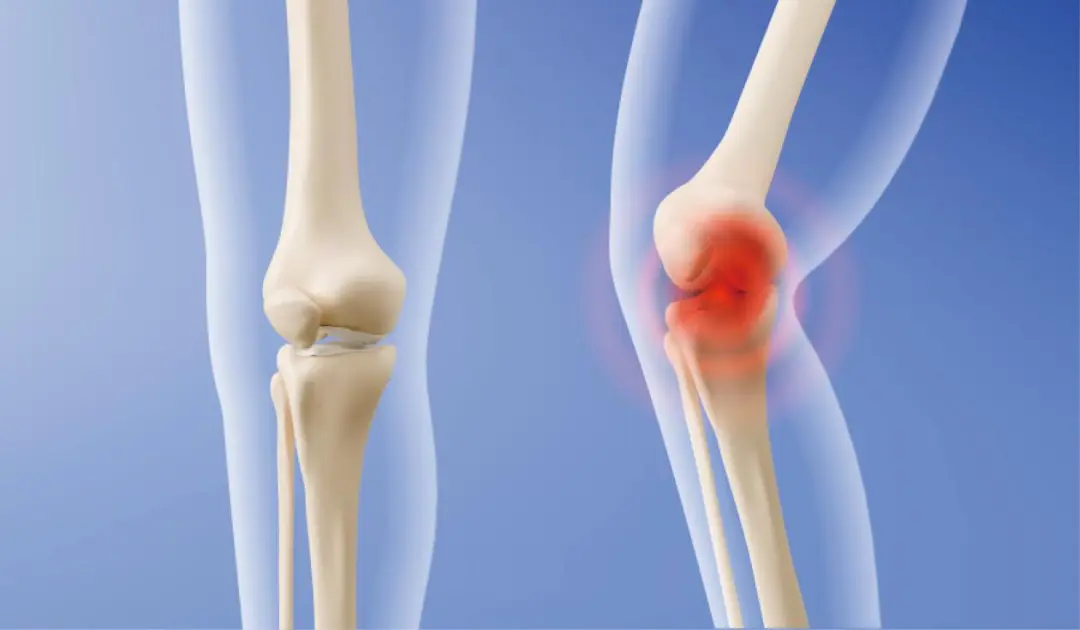
If pain occurs during ordinary walking, at night, or while the knee is at rest, it may be a sign that the joint surfaces are no longer well-cushioned. Worn cartilage, inflammation of the joint lining, or increased fluid inside the joint can all produce a deeper, more persistent ache, sometimes with warmth or swelling.
This does not mean damage is irreversible, but it does suggest that a professional assessment is the right next step. Early evaluation can help preserve function and keep daily activities comfortable.
Simple Daily Habits That Help Protect Your Knees
Knee pain is usually a signal, not a sentence. Small adjustments to daily habits can reduce strain and help the joint stay comfortable.
Avoid movements that repeatedly overload the front of the knee
Try to limit deep squats, prolonged kneeling, frequent stair climbing, and steep downhill walking, especially if these already trigger discomfort. When stairs are unavoidable, use the handrail and place more weight through the stronger leg.
Strengthen the muscles around the knee
The quadriceps at the front of the thigh act like a natural brace for the kneecap. Gentle exercises such as straight-leg raises, wall sits, and step-ups can improve stability without adding joint stress. A physiotherapist can tailor these to your level.
Keep moving, but break up long periods of sitting
Standing up and walking for one or two minutes every hour can prevent the kneecap from being compressed in one position for too long. Simple knee extensions while seated can also help.
Maintain a comfortable weight and keep the joint warm
Extra body weight increases the load on the knees with every step. Keeping weight in a healthy range, dressing warmly in cold weather, and avoiding sudden jumps in activity level all help reduce flare-ups.
When to See an Orthopedic Specialist
Consider booking an evaluation if any of the following apply:
- Knee pain lasts longer than two weeks or keeps returning
- The knee becomes swollen, warm, or difficult to straighten
- You feel clicking, locking, or a sense that the knee may give way
- Pain is affecting sleep, walking, or everyday activities
At Beijing Edencare Hospital, the orthopedic team evaluates knee pain through physical examination, imaging when needed, and a discussion of activity patterns. Treatment is usually built around protection, targeted exercise, and, when appropriate, minimally invasive options.
This article is for general health-education purposes and is not a substitute for a medical diagnosis. Every knee is different, and the right approach depends on your age, activity level, medical history, and examination findings. If you have ongoing knee pain or concerns about joint health, please consult a qualified orthopedic physician.